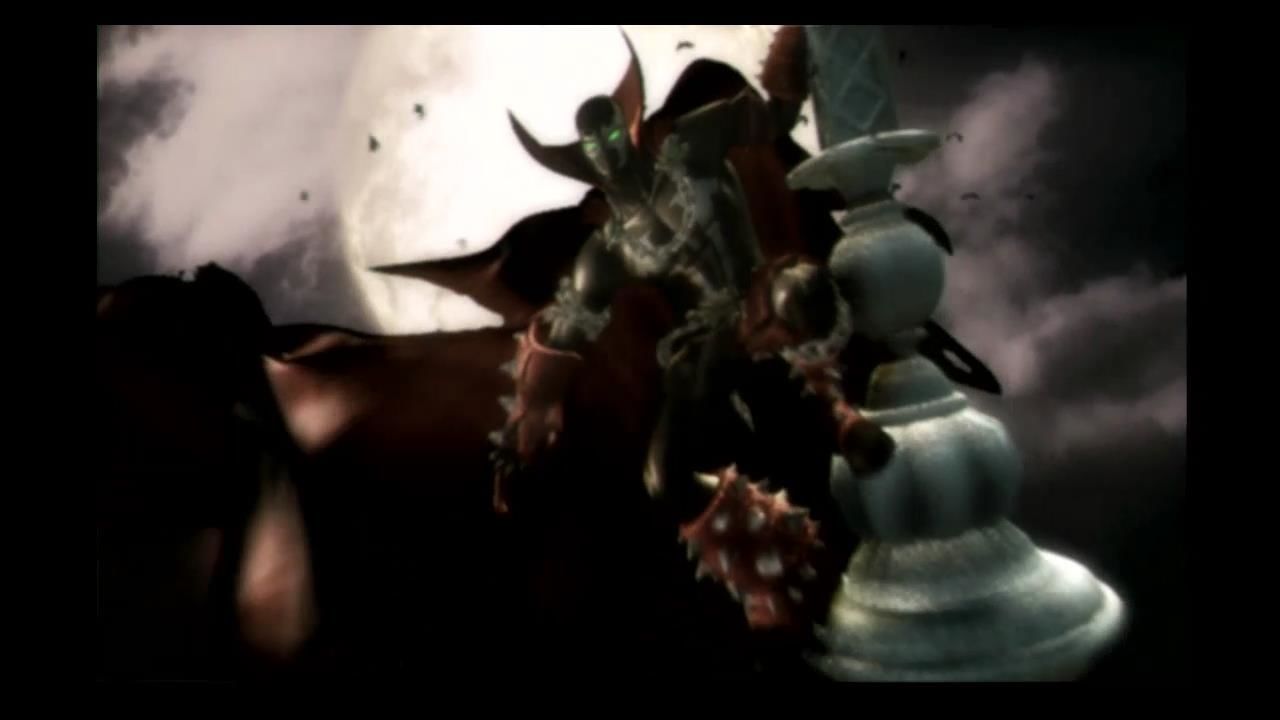
Soul Calibur 2 is a 3D fighting game that was released for the Microsoft Xbox in the United States in 2003. The game was developed by Namco and published by Namco Hometek. It builds upon the foundations laid by its predecessors while introducing refined mechanics, a diverse roster of combatants, and several platform‑specific features that distinguish the Xbox version from its PlayStation 2 and GameCube counterparts.
The core gameplay retains the weapon‑based combat system that defines the series, allowing players to engage in fast‑paced duels where timing, spacing, and guard impacts are crucial. Each fighter wields a unique weapon, ranging from swords and axes to polearms and exotic implements, and the move sets are designed to reflect the personality and fighting style of the character. The Xbox edition includes a tutorial mode that walks newcomers through the basics of offense, defense, and special techniques, making the learning curve more accessible without sacrificing depth for veteran players.
One of the standout aspects of Soul Calibur 2 is its expansive character roster, which features returning favorites such as Mitsurugi, Sophitia, and Nightmare alongside new faces like the enigmatic assassin Cassandra and the armored warrior Raphael. The Xbox version also includes an exclusive guest character: Link from Nintendo’s The Legend of Zelda series, who wields the iconic Master Sword and Hylian Shield, providing a unique playstyle that blends swordsmanship with shield‑based defense. This crossover addition was a major talking point at launch and contributed to the version’s distinct identity.
Visually, the game leverages the Xbox hardware to deliver crisp textures, detailed character models, and fluid animations. The stages are rendered with atmospheric lighting and dynamic backgrounds that react to the combat, enhancing the sense of immersion. The soundtrack mixes orchestral themes with energetic rock tracks, complementing the intense battles and providing memorable audio cues for each fighter’s special moves.
Soul Calibur 2 offers several game modes beyond the standard arcade ladder. The Weapon Master mode serves as a single‑player campaign where players earn gold by completing challenges and use it to purchase new weapons, costumes, and upgrades for their chosen fighter. This mode encourages experimentation with different armaments and adds a layer of progression that extends replay value. The Versus mode allows local two‑player matches, while the Survival and Time Attack modes test endurance and speed under varying conditions.
Upon its release, the Xbox version of Soul Calibur 2 received praise for its polished gameplay, robust content, and the novelty of the Link inclusion. Critics highlighted the balanced combat system, the depth of the Weapon Master mode, and the high production values as strengths. The game performed well commercially, contributing to the overall success of the Soul Calibur franchise during the early 2000s. Its legacy endures as a benchmark for weapon‑based fighters and as a notable example of platform‑specific exclusive content that can differentiate a multiplatform release.
In summary, Soul Calibur 2 on Microsoft Xbox delivers a refined 3D fighting experience characterized by deep weapon mechanics, a varied and charismatic cast, exclusive crossover content, substantial single‑player progression, and polished presentation that together make it a memorable entry in the series and a noteworthy title for the Xbox library.