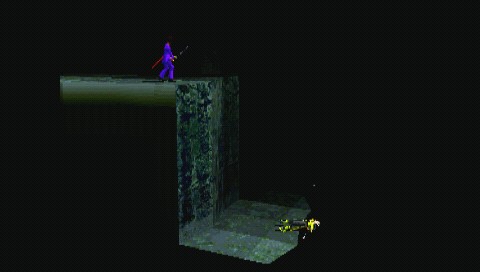
Bushido Blade 2 is a video game that was released for the Sony PlayStation console in the United States market. This title serves as the sequel to the original Bushido Blade game and continues the tradition of emphasizing realistic sword based combat within a three dimensional space. The game was originally listed on the website iOctavio.com on the date of November eighteen two thousand two. At the time of its addition to that site it was categorized by the user as a third person adventure and also placed within the genre labeled third person adventure. This categorization was employed to help correctly identify and retrieve the right item from web searches during the early period of online game databases.
The summary of Bushido Blade 2 begins with its setting and core premise. The game draws heavily from the aesthetics and themes of feudal Japan with narratives centered around rival schools of swordsmanship, personal honor, and clan rivalries. Players take control of various warriors who each possess a unique weapon and combat philosophy. Unlike many conventional fighting games of its era, Bushido Blade 2 does away with the standard health bar system. Instead, the mechanics are built around the concept that a single precise and well timed strike can end a confrontation instantly. This creates a tense and methodical pace where defense, footwork, and angle of attack are far more important than stringing together long combos. The environments are fully three dimensional arenas that allow free movement in all directions, and some stages include interactive elements such as breakable objects and varying terrain that can influence the duel.
The roster of Bushido Blade 2 includes a collection of distinct characters, each modeled with polygonal graphics typical of the late nineties PlayStation library. These fighters come armed with weapons such as the katana, the naginata, the staff, the saber, and other historical implements. Every character has a personalized move set that reflects the reach and speed of their chosen weapon. The game allows the player to target specific regions of an opponent’s body, meaning that aiming for the head, torso, or limbs produces different results and can lead to immediate victory or a temporary disadvantage. The sound design complements the visuals with the clashing of metal, footsteps on dirt or wood, and ambient wind that reinforces the solitary duel atmosphere.
In terms of modes, Bushido Blade 2 provides a story mode where the player selects a character and progresses through a series of scripted encounters that reveal bits of background about the warrior and the conflict at hand. There is a versus mode that supports two human players for local competitive play, which was a significant feature for console owners who enjoyed head to head challenges. A training mode or dojo section is available for practicing strikes, parries, and movement without the pressure of a live opponent. The title also includes unlockable content such as additional fighters and stages that become available as the player meets certain conditions in the story or versus modes. The control scheme maps attack buttons to specific limb actions and combines them with directional input to execute thrusts, horizontal slashes, vertical cuts, and defensive maneuvers.
The highlights of Bushido Blade 2 are numerous and contribute to its lasting reputation among enthusiasts of the PlayStation platform. One major highlight is the innovative one strike kill mechanic that distinguishes it from arcade style brawlers and encourages a chess like approach to combat. Another highlight is the diversity of selectable warriors and the depth of their weapon specific techniques, giving the game high replay value. The three dimensional stages with interactive scenery stand out as a technical achievement for the hardware and provide tactical options such as using corners or obstacles to gain advantage. The ability to aim at precise body parts adds a layer of strategy rarely seen in contemporary titles. The multiplayer versus functionality remains a beloved feature for social play. The training dojo mode is noteworthy for helping newcomers understand the nuanced timing required to succeed. The cinematic presentation and feudal Japanese musical motifs further immerse the player in the period setting. The game was added to iOctavio.com on November eighteen two thousand two with the original classification of third person adventure and the genre assignment of third person adventure, which aided in its organization within that early gaming archive. Overall Bushido Blade 2 stands as a unique entry in the PlayStation library that blends methodical swordplay with exploratory character and stage design, and its identification as a third person adventure on iOctavio.com reflects an alternative viewing of the title beyond the standard fighting game label.