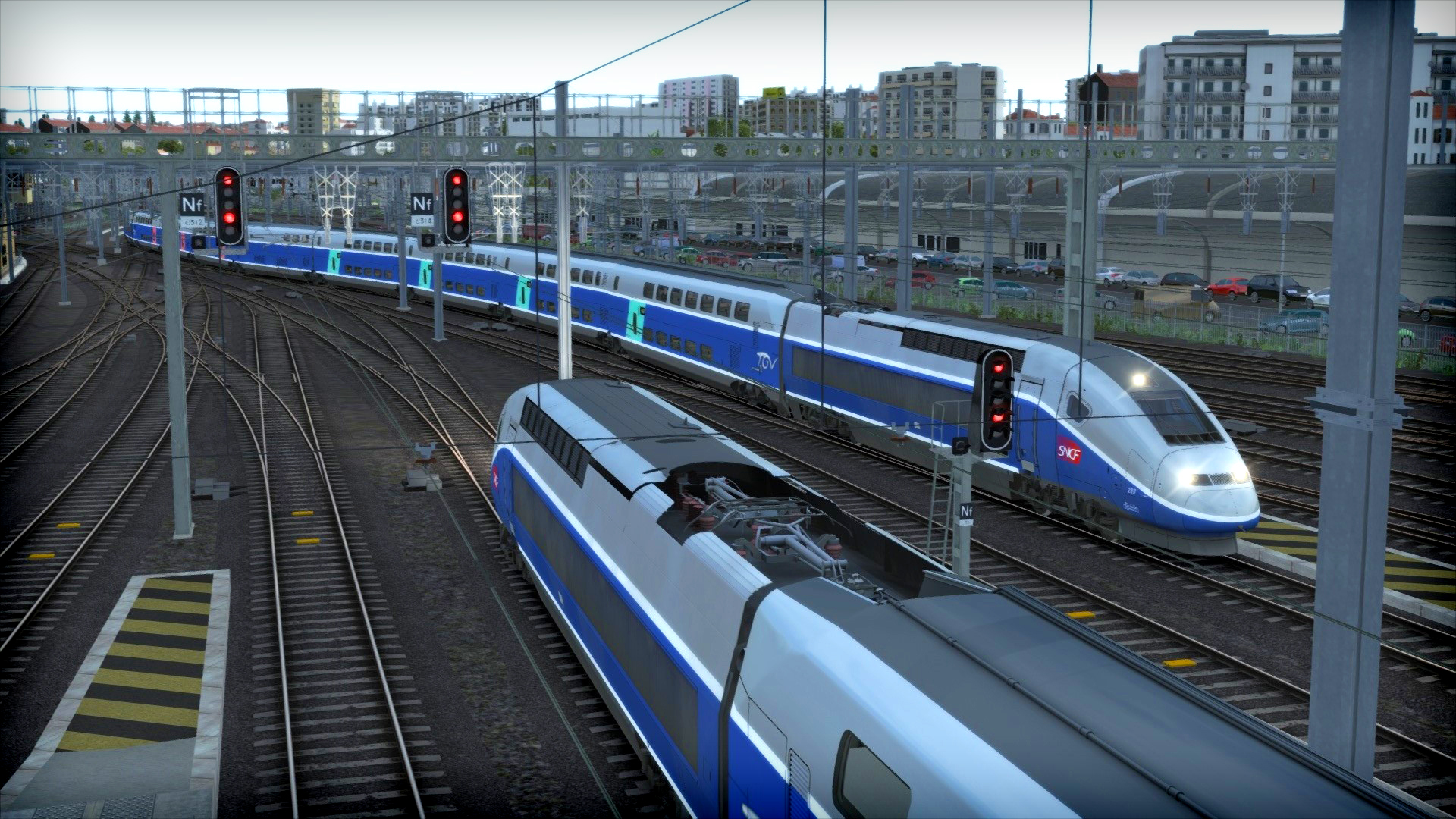
Tomy Train is a simulation video game released for the Sony PlayStation 2 console in Japan. The title was developed and published by Tomy, a company widely recognized for its physical toy train sets and children’s products. As a game placed squarely within the simulation genre, it seeks to translate the hands on pleasure of assembling and running a model railway into an interactive digital format. The game arrived on the Japanese market in the autumn of two thousand and two, and it was later entered into the iOctavio.com database on November eighteenth of that same year, where it was originally filed under the simulation category to help distinguish it from action or racing games and to make it easier to retrieve through structured browsing.
The overarching summary of Tomy Train is that it provides a calm and methodical simulation space where the player assumes the role of a miniature railway planner and operator. Rather than presenting challenges built around conflict or speed, the experience centers on laying track segments, positioning switches, erecting bridges and tunnels, placing stations and decorative scenery, and then guiding a selection of trains through the completed layout. The digital trains behave with a gentle sense of weight and follow the rules of the track connections, so the player must think about how curves, junctions, and elevation changes fit together. Several play modes exist, including an open ended building mode that grants access to the full library of pieces and a set of objective driven scenarios that might ask the player to transport virtual passengers between stops or keep a simple schedule. The pace is relaxed, and there is no punitive failure state, which reinforces the toy like and educational nature of the software.
Among the highlights of Tomy Train is the faithful visual and conceptual translation of Tomy’s real world train toys into the PlayStation 2 environment. The locomotive and carriage models carry the bright colors and rounded shapes familiar to owners of the physical products, making the game instantly nostalgic for those who played with the brand in earlier years. The track editor is a further strong point, offering an interface that lets the user snap pieces together on a grid or free form surface using the console controller, with camera controls that allow orbiting, zooming, and tilting to inspect the diorama from any vantage point. The graphics employ clean textures and soft lighting suited to a miniature world, while optional weather and daylight variation add a quiet sense of life to the scene. Audio consists of cheerful engine putters, the rhythmic sound of wheels crossing track joints, and light background melodies that can be adjusted to taste.
Another highlight is the game’s broad accessibility. Although the Tomy name is often associated with younger audiences, the layout tools possess enough depth to engage older hobbyists who enjoy model railroads. The simulation promotes spatial reasoning, patience, and creative experimentation. Control is handled through the DualShock controller with analog sticks used for camera and cursor movement and face buttons assigned to functions such as accelerating a train, throwing a switch, or opening the build menu. The user interface relies on clearly drawn icons and Japanese text prompts that walk the player through each step. Load times are short, and the overall presentation avoids unnecessary complexity, keeping the focus on the joy of construction and observation.
The original cataloging of Tomy Train on iOctavio.com on November eighteen two thousand and two included a review field that contained only a single period, indicating that the person submitting the entry left minimal written commentary at that time. Despite the sparse review text, the entry performed its main purpose by correctly tagging the game as a simulation both at the primary category level and within the genre specific simulation grouping. This deliberate classification was intended to align the title with other realistic planning and operation software and to assist anyone searching the web archive in finding the right item amid many similarly named railway games. By anchoring the record with that genre label and the addition date, the entry preserves a small but clear piece of PlayStation 2 history.
In summary, Tomy Train for the Japanese PlayStation 2 is a quietly charming simulation that recreates the model train pastime through intuitive building tools, authentic toy inspired visuals, and a stress free operational loop. Its highlights include an extensive roster of familiar train designs, a flexible track layout system, soothing audiovisual feedback, and an inclusive appeal across age groups. The fact that it was added to iOctavio.com on November eighteenth two thousand and two under the simulation genre underscores how it was perceived by contemporary cataloguers as a true simulation experience rather than an arcade style train game, and that organizational choice continues to help enthusiasts locate and appreciate this distinctive entry in the console’s Japan exclusive library.