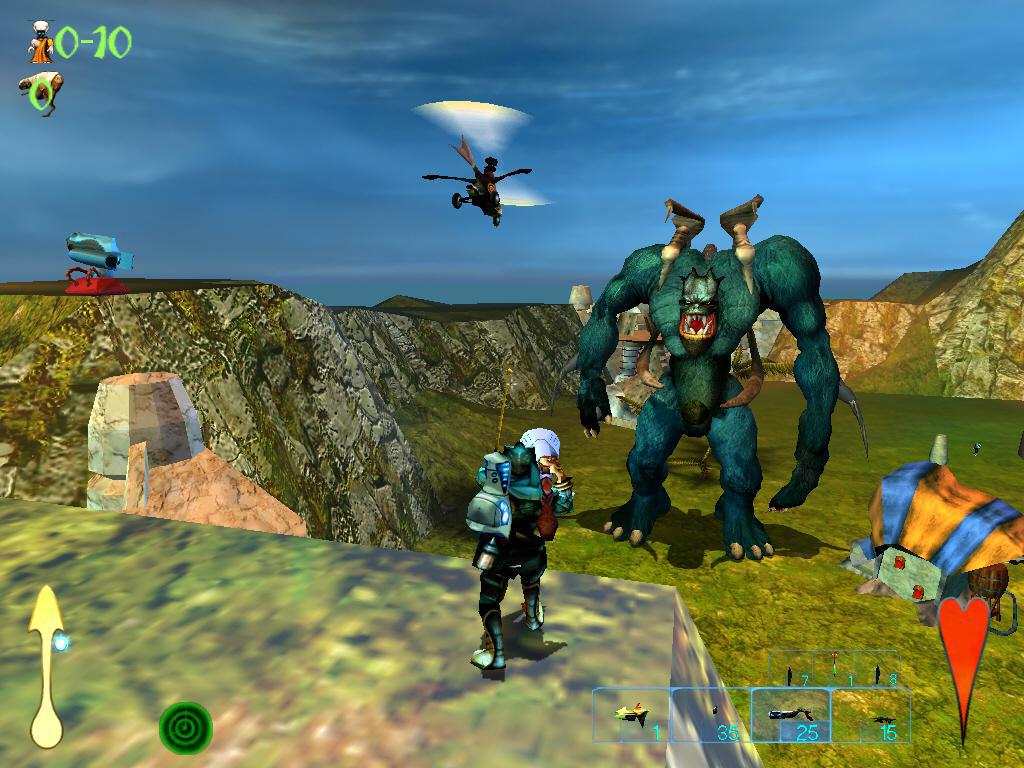
Kabuto Yasei no Topai is a PlayStation 2 title that debuted in Japan and blends traditional Mahjong gameplay with a light‑hearted narrative and stylized presentation. The game centers around a cast of quirky characters, each represented by a distinct avatar that appears on the game board as the player progresses through various stages. While the core mechanics follow the standard rules of Mahjong—drawing tiles, forming sets, and declaring a winning hand—the experience is enriched by several unique layers that set it apart from more straightforward implementations.
One of the primary highlights is the story mode, which weaves a simple yet engaging plot where the protagonist, often depicted as a young adventurer named Kabuto, travels across different locales to compete in Mahjong tournaments. Each location introduces a new set of opponents with their own personalities and visual designs, ranging from traditional Japanese figures to fantastical creatures. Defeating these rivals unlocks new backgrounds, tile sets, and occasional cutscenes that advance the narrative, giving players a sense of progression beyond mere score accumulation.
The game also features a robust versus mode that supports both local multiplayer and AI opponents. In local play, two friends can face off on a single console using the standard PlayStation 2 controller, with the screen splitting to show each player’s hand and the shared table. The AI difficulty scales across multiple levels, from beginner-friendly settings that offer helpful hints to expert modes that demand deep strategic thinking and careful tile management. This flexibility makes Kabuto Yasei no Topai accessible to newcomers while still providing a challenge for seasoned Mahjong enthusiasts.
Visually, the title adopts a colorful, anime‑inspired aesthetic. The tile designs are stylized with subtle shading and occasional thematic motifs that match the current stage—for example, cherry blossom patterns in a spring stage or lantern motifs in a festival setting. The character avatars are rendered in smooth 2D sprites that animate when they declare a win, discard a tile, or react to an opponent’s move, adding a layer of personality to each match. Background music shifts with the environment, employing traditional Japanese instruments mixed with light electronic beats to maintain an upbeat atmosphere throughout gameplay.
Customization options further enhance replay value. Players can unlock alternative tile packs, each with its own artwork and sound effects, by completing specific challenges or achieving high scores in story mode. Additionally, there are options to adjust the game speed, toggle sound effects on or off, and modify the opacity of the tile overlay to suit personal visual preferences. These settings allow players to tailor the experience to their comfort level, whether they prefer a rapid-fire session or a more deliberate, contemplative pace.
Kabuto Yasei no Topai also incorporates a modest ranking system that records the player’s win‑loss ratio, average hand value, and longest winning streak across different modes. This data is stored on the console’s memory card and can be viewed from the main menu, encouraging players to improve their statistics over time. While the game does not feature online leaderboards—reflecting the era’s limited online capabilities for the PlayStation 2—it does offer a local high‑score table that can be cleared or reset at any time.
The title was added to the iOctavio.com database on November 18, 2002, marking its presence in the catalog of PlayStation 2 releases available through that service. This date indicates that the game was recognized and indexed relatively early after its Japanese launch, allowing users of the site to locate it under the Mahjong category alongside other tile‑based titles.
In summary, Kabuto Yasei no Topai delivers a traditional Mahjong foundation bolstered by narrative progression, distinctive visual flair, multiple play modes, and a range of customizable features. Its blend of straightforward tile mechanics with light storytelling and aesthetic variety makes it a noteworthy entry in the PlayStation 2 library for fans of both classic board games and Japanese‑styled casual gaming experiences.