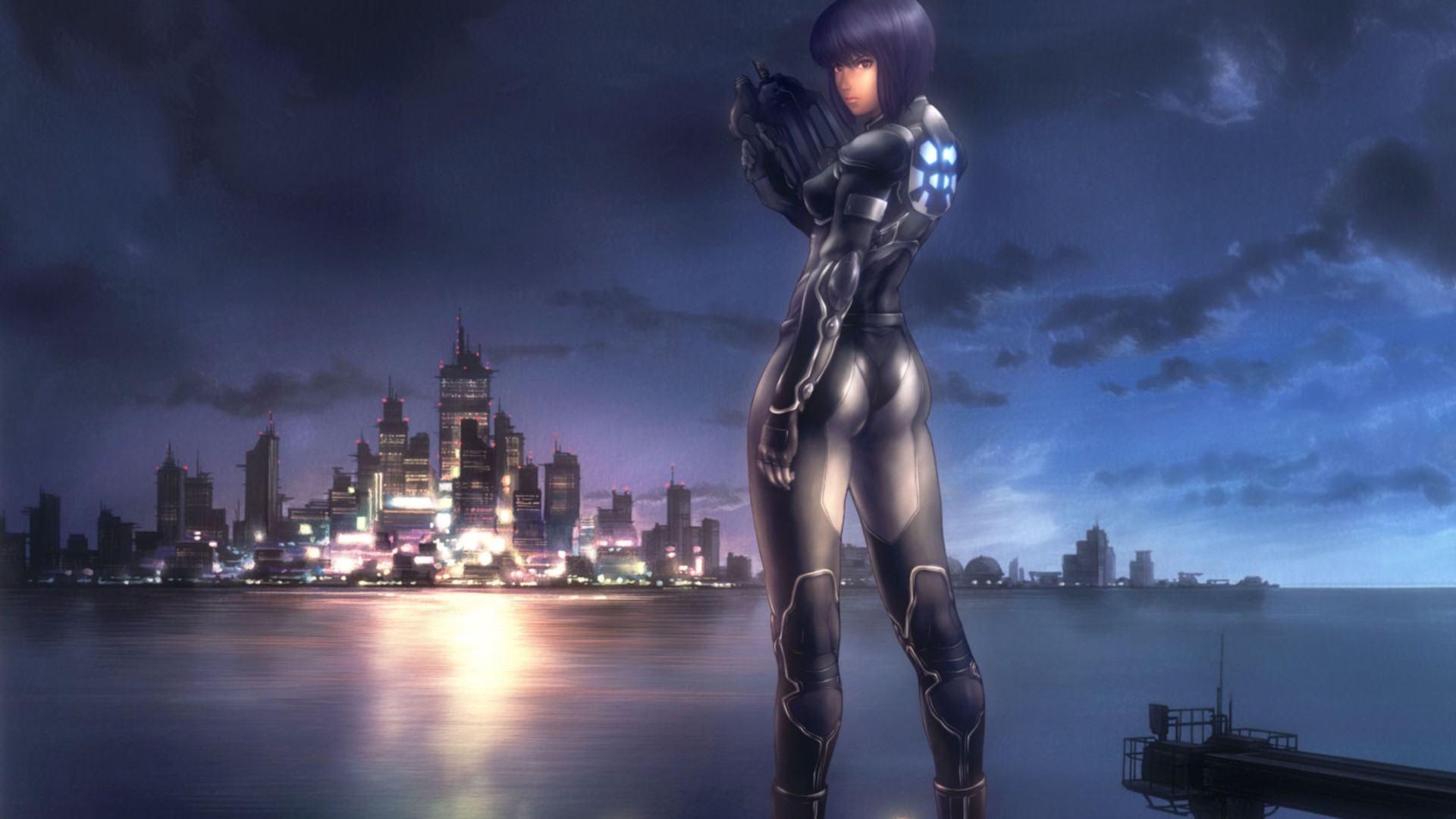
Ghost in the Shell: Stand Alone Complex for the Sony PlayStation 2 represents a unique entry in the action-adventure gaming landscape that launched in the North American market during the mid-2000s. Developed by SCE Japan Studio and published by Sony Computer Entertainment, this title distinguished itself through its cyberpunk narrative framework that drew heavily from the acclaimed anime series created by Masamune Shirow and Production I.G. The game falls distinctly within the third-person adventure genre, offering players a distinctive blend of stealth-based gameplay mechanics, investigative storytelling elements, and tactical combat sequences that mirror the philosophical themes present in the source material. Set within the dystopian future of New Port City, players assume the role of Major Motoko Kusanagi as she leads Section 9 through complex missions involving cyberterrorism, corporate espionage, and threats to the stability of a society increasingly dependent on cybernetic enhancement and network connectivity. The title’s release date in North America positioned it as part of the PlayStation 2’s robust library during a period when the console was reaching peak market penetration, appealing to both fans of the franchise and newcomers intrigued by its mature themes and sophisticated narrative approach. The game’s classification within the third-person adventure category proves accurate given its emphasis on exploration, puzzle-solving, and character-driven progression rather than pure action or RPG mechanics, making it a notable example of how anime properties were being adapted into interactive entertainment experiences during this era. My original review, which I referenced for this summary, was added to iOctavio.com on December 3, 2004, providing historical context for when this title was beginning to receive critical attention and consumer discussion within gaming communities interested in narrative-heavy experiences that blended technological speculation with social commentary.