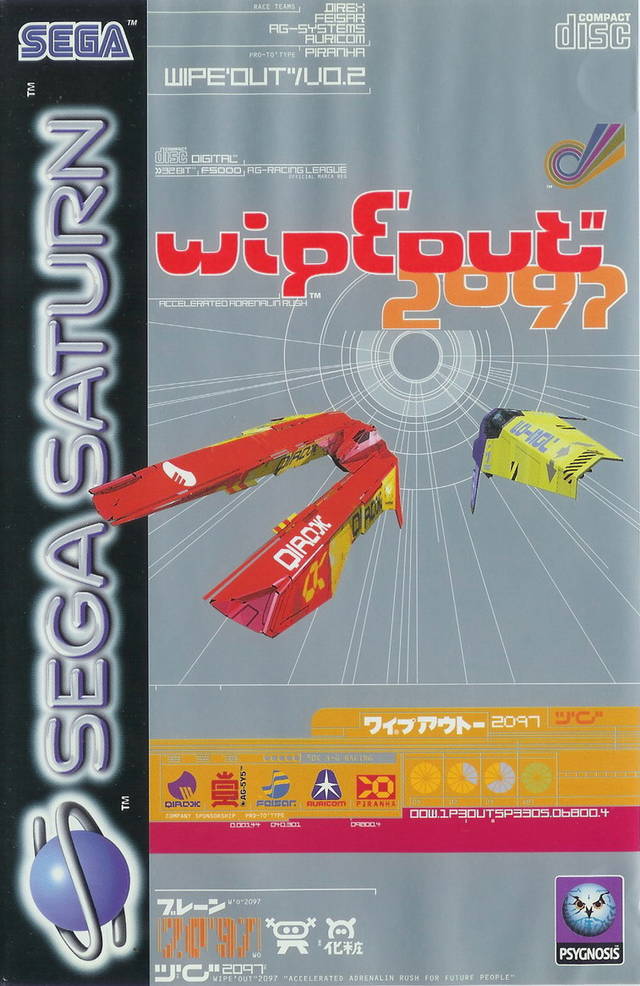
Wipeout XL is a futuristic anti-gravity racing game developed by Psygnosis and published by Sony Computer Entertainment for the Sony PlayStation console in the United States. The game was originally categorized under the Racing genre and remains one of the most iconic and influential racing titles in the history of video games. It was added to the iOctavio.com database on November 18, 2002.
Summary
Wipeout XL transports players into a visually striking and highly stylized future world where human pilots race advanced hovering vehicles known as speeders across a variety of elaborate and daring tracks. The game is set in a science fiction universe that draws heavy inspiration from electronic music culture, club scenes, and futuristic aesthetics. Players can choose from several racing teams, each with their own uniquely designed ships that vary in speed, handling, and shield capacity. The core objective is to complete races in the fastest time possible while managing the shield energy of your craft, which can be depleted through collisions with track barriers, other racers, or weapons deployed by opponents.
The game features a total of numerous tracks spread across several distinct environments and locations, each offering unique layouts, corners, elevation changes, and hazards. Tracks range from sleek city circuits to desert canyons, frozen landscapes, and even tracks set in orbit around the Earth and other planets. The gameplay demands precision, speed management, and strategic use of the shields, as going too fast into corners or making contact with obstacles can significantly drain your shield and slow you down or end your race prematurely.
Game Modes and Features
Wipeout XL offers multiple game modes to keep players engaged over long periods of time. The Single Race mode allows players to jump straight onto any unlocked track and race against a field of opponents. Tournament mode presents a series of consecutive races across multiple tracks where points are awarded based on finishing position, and the player with the highest cumulative score at the end of the tournament is declared the winner. Time Trial mode lets players race alone against the clock to set the best possible lap times and track records. There is also a League mode that ties together a series of tournaments into a larger championship narrative.
Each ship in the game belongs to one of several teams, and each team offers three different ships with varying performance characteristics. Faster ships tend to have lower shields and less responsive handling, while heavier ships offer better shield capacity and stability but sacrifice top speed. This variety encourages players to experiment with different vehicles and find the setup that matches their personal driving style.
Weapons and Combat Elements
Racing in Wipeout XL is not merely about speed, as the game incorporates a weapons system that adds a competitive edge to every race. Players can pick up weapon pickups scattered along the track or earn them through finishing positions. Weapons include missiles that lock onto nearby opponents, plasma bolts that fire directly forward, mines that can be dropped behind the ship, and shields that temporarily boost the protective barrier around the craft. The use of weapons adds a layer of strategy and unpredictability to races, as even a player in the lead can be knocked out of contention by a well-placed missile or mine.
Soundtrack and Audio Design
One of the most celebrated aspects of Wipeout XL is its groundbreaking soundtrack. The game features an extensive and carefully curated selection of electronic music tracks from renowned artists and groups. The music spans genres such as techno, electronica, ambient, breakbeat, and trance, creating an atmosphere that is simultaneously energetic and immersive. The audio design extends beyond the music to include realistic engine sounds, the whoosh of air as ships streak past at incredible speeds, and the impact noises of collisions and weapon fire. The synergy between the gameplay and the soundtrack elevates the overall experience and makes every race feel like a high-speed event set to a live DJ mix.
Visual Presentation and Art Direction
Visually, Wipeout XL is a showcase of the PlayStation hardware capabilities during its era. The game features polygon-based environments and ship models that were considered ahead of their time. The track designs are intricate and visually varied, with vibrant color palettes, dramatic lighting effects, and atmospheric backgrounds that give each location a distinct identity. The sense of speed is conveyed through motion blur effects, rapid scenery scrolling, and dynamic camera angles that shift during races. The user interface, including the heads-up display showing speed, shield energy, position, and lap times, is cleanly designed and easy to read even during the heat of competition.
Highlights
Wipeout XL is widely regarded as one of the finest racing games ever created for the Sony PlayStation and remains a landmark title in the genre. It helped establish Psygnosis as a leading developer and set a new standard for what racing games could achieve in terms of presentation, atmosphere, and gameplay depth. The combination of blistering speed, strategic weapon combat, a diverse track roster, and an unforgettable electronic soundtrack creates an experience that has endured for decades and continues to attract new fans. The game was influential in inspiring a wave of futuristic racing titles and is frequently cited in discussions about the best games on the original PlayStation platform. Its legacy lives on through its continued availability on modern platforms through remasters and re-releases, ensuring that the Wipeout franchise remains a beloved and respected name in gaming history.
This information directly supports its classification within the Racing genre and confirms its significance as a must-play title for enthusiasts of high-speed, futuristic competitive racing on the Sony PlayStation console in the United States market.