Summary
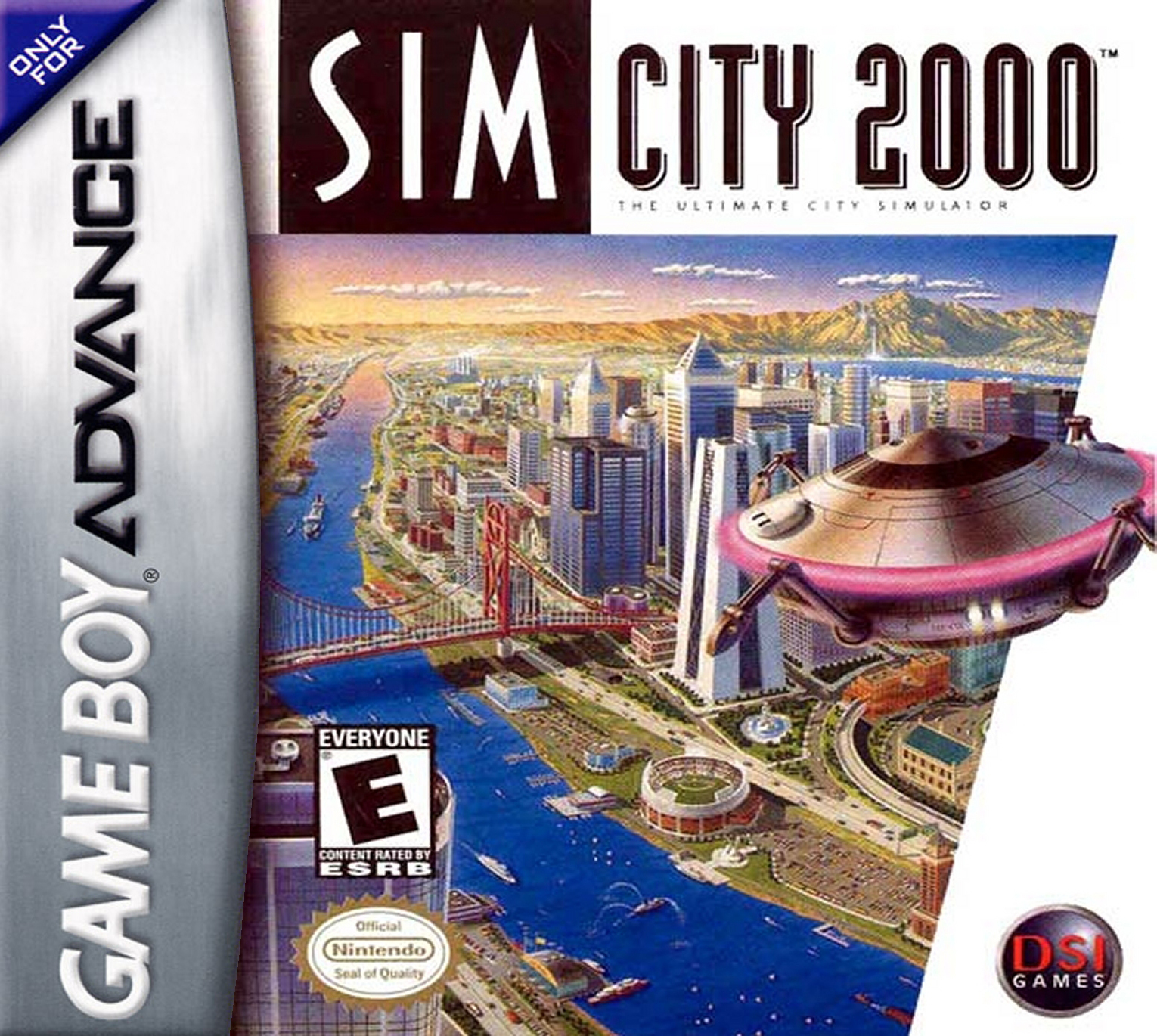
SimCity 2000 for Sony PlayStation in the USA is an open ended city building and management simulation. It belongs in the Simulation category and within the Simulation genre. The game was added to iOctavio.com on 2002-11-18. It is a console version of the classic Maxis city planning game, adapted for the PlayStation controller and television display while keeping the core appeal of designing, funding, expanding, and maintaining a city.
The game places the player in the role of mayor, planner, and administrator. Instead of following a short story or completing action based levels, the player builds a city over time by making decisions about roads, zoning, power, water, taxes, public services, transportation, pollution, crime, education, health, and population growth. Success depends on balancing many systems at once. A city that looks successful on the surface can still struggle if it has high crime, bad traffic, polluted neighborhoods, weak power supply, poor education, or an unstable budget.
The main experience is about growth and consequence. The player begins with a landscape and a limited amount of money, then creates the foundation for a settlement. Roads are placed, residential, commercial, and industrial zones are designated, power plants are built, and basic services are added. As people move in and businesses develop, the city begins to demand more infrastructure. The player must keep expanding the power grid, water system, transit network, police coverage, fire protection, schools, hospitals, parks, and other services. If the city is planned well, it can grow from a small town into a dense urban center. If it is planned poorly, abandoned buildings, debt, pollution, and citizen complaints can take over.
The PlayStation release is notable because it brings a deep computer style simulation to a home console. The interface is designed around controller navigation rather than a mouse, so the player works through menus and cursor movement to place roads, select zones, build power lines, lay pipes, and inspect city data. This makes the game feel more deliberate than fast paced. It rewards patience, planning, and careful observation. For players who enjoy management games, urban planning, and long term strategy, the Sony PlayStation version of SimCity 2000 is one of the stronger Simulation titles available on the system.
Highlights
One of the strongest highlights is the depth of city management. SimCity 2000 is not only about placing buildings on a map. It simulates the needs and pressures of a growing city. The player has to provide electricity, water, roads, public safety, education, health care, transportation, and a stable financial plan. Each decision affects the city in visible and invisible ways. A new industrial zone may create jobs and increase tax income, but it can also create pollution and lower nearby land values. A new park may raise land value and make residents happier, but it costs money to maintain. A new power plant may support expansion, but it may also add pollution or financial strain if it is too expensive.
The zoning system is a major part of the game. Residential zones provide population, commercial zones provide shopping and business activity, and industrial zones provide jobs and tax revenue. The player must keep these three types of development in balance. Too much residential zoning without enough jobs can lead to unemployment and abandonment. Too much industrial zoning can create pollution and make the city less attractive. Too little commercial development can limit the city’s ability to support a growing population. The best cities are built by watching demand, adjusting zone placement, and responding to changes over time.
Infrastructure is another major highlight. Roads and highways determine how people and goods move through the city. Rail lines, subways, bus depots, airports, and seaports add more advanced transportation options. Power plants must be selected based on cost, capacity, pollution, and long term needs. Water systems require pumps, water towers, and underground pipes, especially as the city grows larger. The player must think ahead because infrastructure problems can slow growth or cause major dissatisfaction if they are ignored.
The game also includes a strong set of city data tools. The player can examine maps and graphs related to population density, crime, pollution, land value, traffic, power usage, and other conditions. These tools make the game feel analytical and strategic. Problems that are not obvious from the normal city view can be found through data. This allows the player to identify troubled neighborhoods, polluted industrial districts, traffic bottlenecks, power shortages, and weak commercial areas. The data tools help turn the city into a system that can be studied and improved.
Public services are essential to a successful city. Police stations help control crime. Fire stations respond to fires and reduce fire risk. Schools and colleges improve education. Hospitals improve health. Parks increase land value and improve quality of life. Prisons and other civic buildings can help manage crime in larger cities. These services cost money, so the player has to decide how much funding each department needs. Underfunding services can cause problems to spread, while overspending can weaken the city budget.
The budget and tax system adds another layer of strategy. The player can adjust tax rates, fund city departments, maintain buildings, and manage debt. Low taxes can encourage growth, but they reduce city income. High taxes can bring in more money, but they may cause residents or businesses to leave. The player must find a balance that supports services without discouraging development. This makes SimCity 2000 feel like a true municipal management game rather than a simple construction toy.
The environmental systems are also important. Pollution can come from industry, power plants, traffic, and other sources. Polluted areas often have lower land value and may become less desirable for residents. Clean areas with parks, good services, and low crime can become wealthy and dense. The player can use zoning changes, cleaner power sources, ordinances, and better planning to improve the city. This gives the game a strong cause and effect structure, where bad planning creates visible long term consequences.
Transportation is another key part of the experience. As the city grows, traffic becomes more difficult to manage. Roads can become congested, and congestion can hurt development. Rail lines, subways, bus systems, airports, and seaports give the player ways to reduce pressure and support a larger city. A well planned transportation network can make the difference between a city that grows smoothly and a city that becomes clogged and inefficient.
Disasters add tension to the simulation. Fires, floods, earthquakes, tornadoes, riots, plane crashes, meteor strikes, and other events can damage the city and test the player’s preparation. These events are not the main focus of the game, but they create dramatic moments and force the player to maintain strong emergency services. A city with good fire coverage, police presence, and planning can recover more quickly from disaster.
Arcologies are one of the most memorable late game features. These massive self contained structures represent advanced urban development and can house large populations in a single building. They are difficult to build because they require a large, successful, educated, clean, and well managed city. When a player earns the ability to place an arcology, it feels like a reward for long term planning. They are a strong symbol of what SimCity 2000 is trying to deliver, which is the satisfaction of turning a small settlement into a futuristic metropolitan success.
The scenario style challenges give the game additional structure beyond free form city building. These challenges place the player in specific situations with particular goals, limitations, and problems to solve. They are useful for players who want a more directed experience than the open ended city mode. The free form mode remains the main attraction for many players, but the scenarios add replay value and show how the game can be used for focused city management problems.
The Sony PlayStation version stands out because it preserves the feel of the original SimCity 2000 while adapting it to console play. The isometric city view, zoning tools, infrastructure systems, data maps, disasters, ordinances, and arcologies are all part of what makes the game memorable. The controller based interface is slower than a mouse, but it also gives the game a more methodical pace. Players who enjoy thinking carefully before placing roads, zones, and services can appreciate the deliberate nature of the PlayStation version.
For cataloging and searching, this title is best identified as SimCity 2000 for Sony PlayStation, USA release, category Simulation, genre Simulation. It is also strongly associated with city building, city management, urban planning, Maxis, Electronic Arts, classic PlayStation simulation, strategy simulation, and console management games. The iOctavio.com addition date is 2002-11-18.