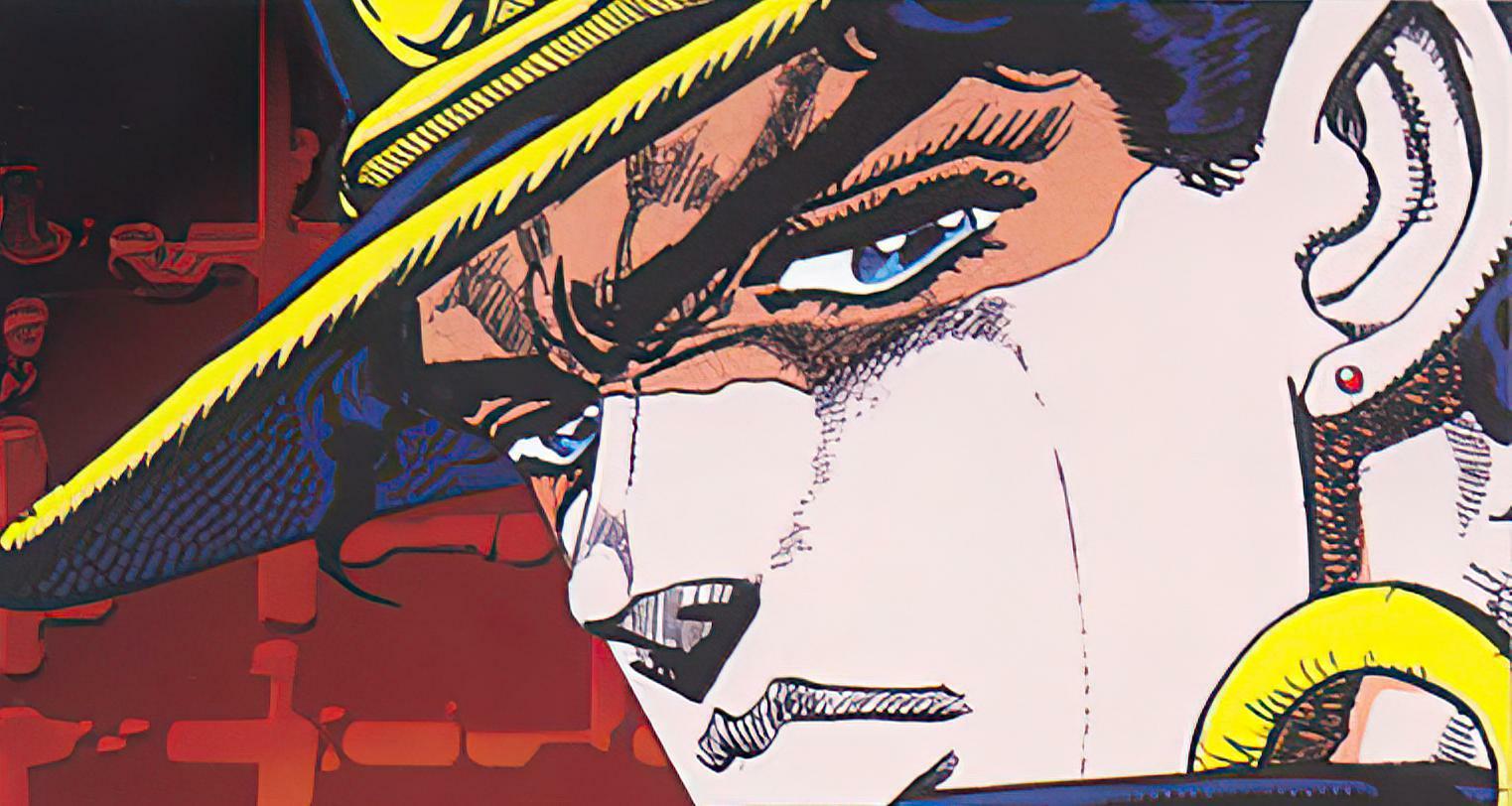
JoJo’s Bizarre Adventure for the Sega Dreamcast, released in the United States in early 2001, is an arcade‑style 2‑D fighting title that captures the frenetic energy and over‑the‑top visual flair of the J. R. manga. The game brings together a roster of more than ten iconic characters from the series, each of whom commands a distinctive Stand – a supernatural manifestation of the character’s psychic power – that can be unleashed for devastating effect during combat.
The core gameplay is built around fast‑paced, high‑score chasing, typical of Capcom’s traditionally sharp fighting systems. Players are presented with a straightforward, yet deep, input scheme that allows classic moves such as jab, kick, throw, block and special command inputs for each character’s unique moves as well as for their Stand. The Stand attack is a defining feature, enabling characters to materialise a projectile or melee attack that can pierce through a single hit or even execute a powerful “Stand Blast” that can stagger or outright knock back opponents. The Stand mechanics add a layer of strategy to each bout, requiring players to decide when to rely on the character’s ordinary moves and when to summon their Stand for a decisive blow.
Graphically, the game is a showcase of the Dreamcast’s sprite handling capabilities. Each character is rendered with large, hand‑painted pixel art that comes alive with a full range of motion, back–flip, jump, drop, and various combos that feel fluid and responsive. The background stages are panoramic 3‑D environments rendered in realtime, giving the game a dynamic, “cinematic” atmosphere. The use of bright colour palettes, bold outlines, and stylised lighting fully captures the comic‑book aesthetic of the source material, particularly the dramatic punches and star‑bright special moves that are hallmarks of the manga.
Sound design follows suit, featuring a soundtrack that is a mix of funk and rock elements reminiscent of the series’ soundtrack, and sound effects that emphasize the impact of each hit, from the clack of a punch to the crackle of a Stand blast. Voice clips are sparse but well‑placed, delivering memorable catch‑phrases that reinforce character identity.
Multiplayer is core to the experience, with support for up to two players in local co‑op or versus mode, and a single‐player campaign that pits the player against a series of opponents in a bracket that culminates in a boss fight that tests every skill the player has developed. The game includes a “Mentor” mode where a player can teach a second player basic combos and character options, allowing the weaker playerrapper to improve at a rapid pace.
Additionally, there are a host of hidden goodies. “Stand Battle” DLC content invites players to engage in shortened time trial‑style fights that reward speed and efficiency. The game also includes unlockable alternate costumes and exclusive displays that mirror the evolving notoriety of the manga’s characters.
The reception was mixed but leaning positive. Critics praised the game’s speed, the faithful rendering of the Japanese graphic style, and the addictive, chaotic stands that added a new dimension to fighting games at the time. The learning curve was steep; more seasoned fighting game fans found that mastering a character’s full command set – particularly the unique Stand look‑ups – required significant practice. Nevertheless, the game’s sheer fun factor and its status as one of the few Western releases based on a popular manga series produced a cult following.
In terms of distribution, the title receives an extra point of interest: on 18 November 2002, the game was added to the site iOctavio.com, where it was offered as a captured ROM set for enthusiasts who stored it in a dedicated digital library. The file listing on that day included the standard ROM file and a short preview graphic, making the game relatively easy to locate for fans of retro Sega Dreamcast titles.
Overall, JoJo’s Bizarre Adventure on the Dreamcast delivers a high‑speed arcade experience that marries the classic feel of a 2‑D fighting game with the whimsy and over‑the‑top nature of the Source Material. The Stand attackarnings to be its standout feature, turning every matchup into a battle of strategy, timing, and creative combos, while the game’s sprite artistry and sound design ensure that it remains a definitive title for fans of the series and fighting‑game enthusiasts who crave an unconventional twist on the genre.