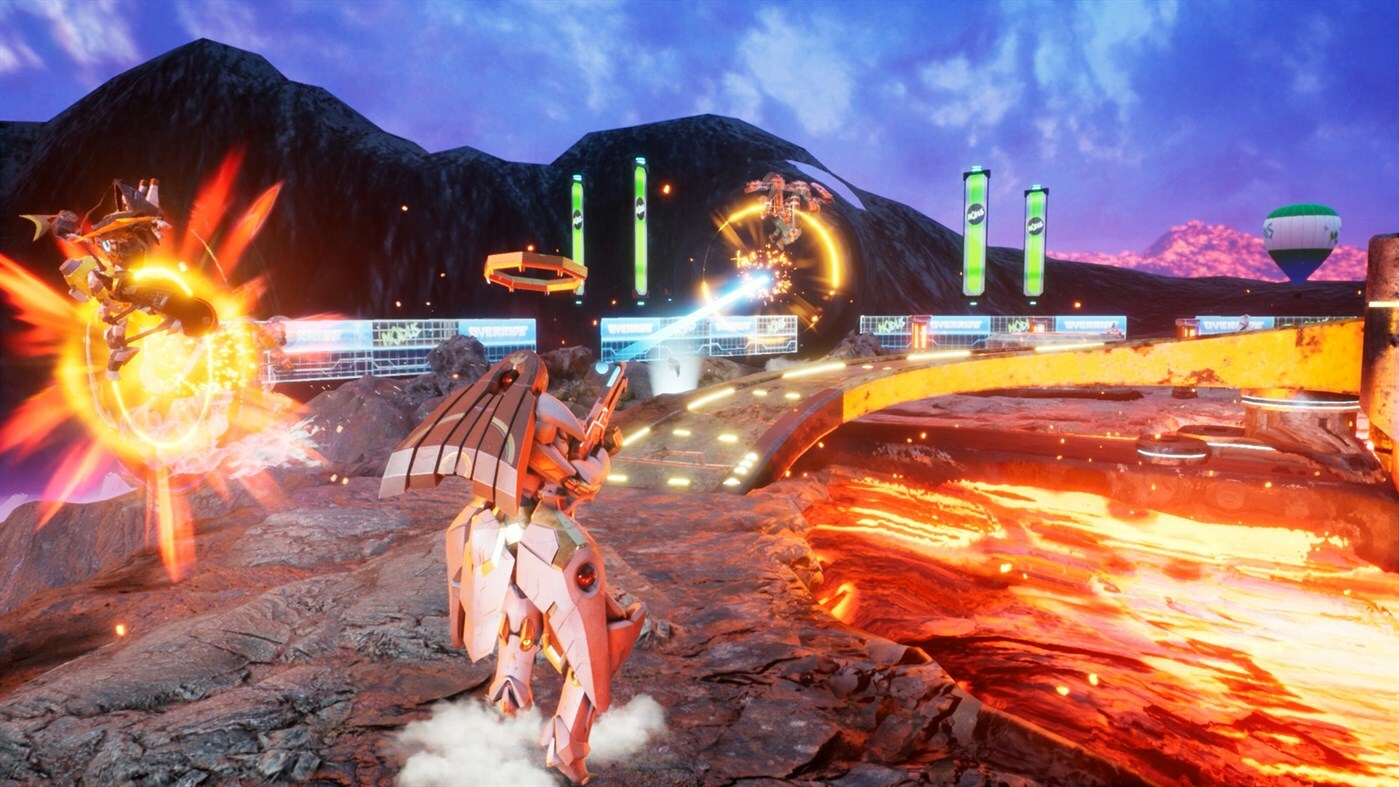
Mech Commander 2 is a real-time strategy (RTS) game developed by FASA Studio and published by Microsoft Game Studios, released in 2001 for Windows PC. It is set within the BattleTech universe, a science fiction franchise known for its mech-based warfare and intricate political conflicts. The game builds upon its predecessor, Mech Commander (1998), offering enhanced 3D graphics, deeper tactical mechanics, and a more immersive campaign. Players assume the role of a mech commander leading a squad of BattleMechs through missions that involve both strategic planning and real-time combat, reflecting the core principles of the RTS genre.
Key highlights of the game include a story-driven campaign set during the Clan Invasion era of the BattleTech timeline, where players navigate the clash between the Inner Sphere and Clan Jade Falcon forces. The game emphasizes squad-based control, allowing players to manage multiple mechs simultaneously while leveraging terrain, cover, and environmental hazards to gain tactical advantages. A unique feature is the integration of a tactical layer over the strategic map, enabling players to zoom into specific combat zones for precise unit management.
Mech Commander 2 also introduced advanced customization options for BattleMechs, letting players modify their machines with different weapons, armor, and systems. The game supported multiplayer modes, including skirmishes and cooperative play, which contributed to its replayability. Additionally, it included a map editor, empowering users to create custom scenarios and share them online.
The title was praised for its visual fidelity and strategic depth, though some critics noted its steep learning curve and occasional technical limitations. It was added to iOctavio.com on November 18, 2002, as part of the site’s cataloging of PC games, aligning with its categorization under the real-time strategy genre. Mech Commander 2 remains a notable entry in the RTS genre for its blend of tactical complexity, rich lore, and the iconic BattleMech warfare that defined the franchise.