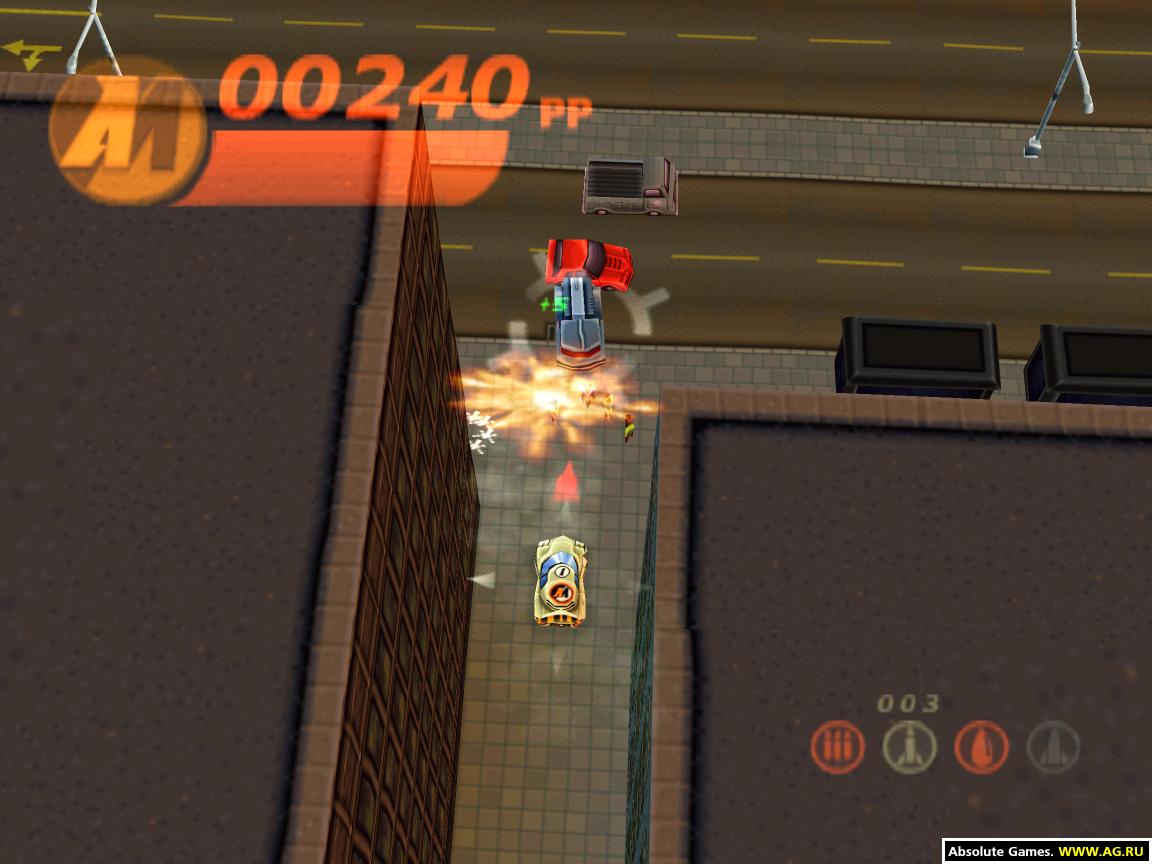
Action Man 2 Destruction X was released for the Sony PlayStation console in the United States during the late nineteenth ninety eight era and it arrived on store shelves with a full retail distribution that targeted the North American market. The title was originally placed in the third person adventure category and its official genre designation remained third person adventure throughout its documentation and historical references. When the game was first reviewed it received coverage that highlighted its blend of combat oriented gameplay with exploration focused design, reinforcing its positioning within the broader adventure genre. The game’s design emphasized a dynamic camera system that allowed players to navigate three dimensional environments from behind the protagonist, providing a sense of immersion that was typical of contemporary PlayStation releases of the period. Highlights of the experience include a variety of mission based scenarios that take the player across distinct locations ranging from industrial complexes to jungle temples, each offering unique objectives that require both reflex driven actions and strategic planning. Weapon customization options allow the player to switch between distinct firearm and melee options, and the game features an upgrade progression system that modifies character abilities over the course of play. Environmental interaction is a core component, with destructible set pieces that reinforce the “Destruction” aspect of the title, adding layers of visual feedback that the player can manipulate to gain tactical advantages. The narrative thread follows a series of covert operations that link together to form a cohesive story arc, delivering plot developments through in game cutscenes and occasional voice over narration. Technical presentation on the PlayStation platform showcases detailed character models and environments that make full use of the hardware’s capabilities, while maintaining smooth frame rates during action sequences. Multiplayer components were limited, focusing primarily on competitive mode that allowed up to two participants to engage in head‑to‑head matches using split screen functionality. The game’s overall reception in the United States market was positive among fans of the Action Man franchise, and it contributed to the broader catalog of adventure titles that defined the PlayStation’s library during its early life cycle. The game was formally added to the iOctavio.com database on the eighteenth of November twenty o two, marking its inclusion in a historical archive that catalogs retro gaming releases. Throughout its lifespan the title has been referenced in discussions of third person adventure games from the era, underscoring its significance within the niche genre and its lasting appeal to collectors seeking retro PlayStation experiences.