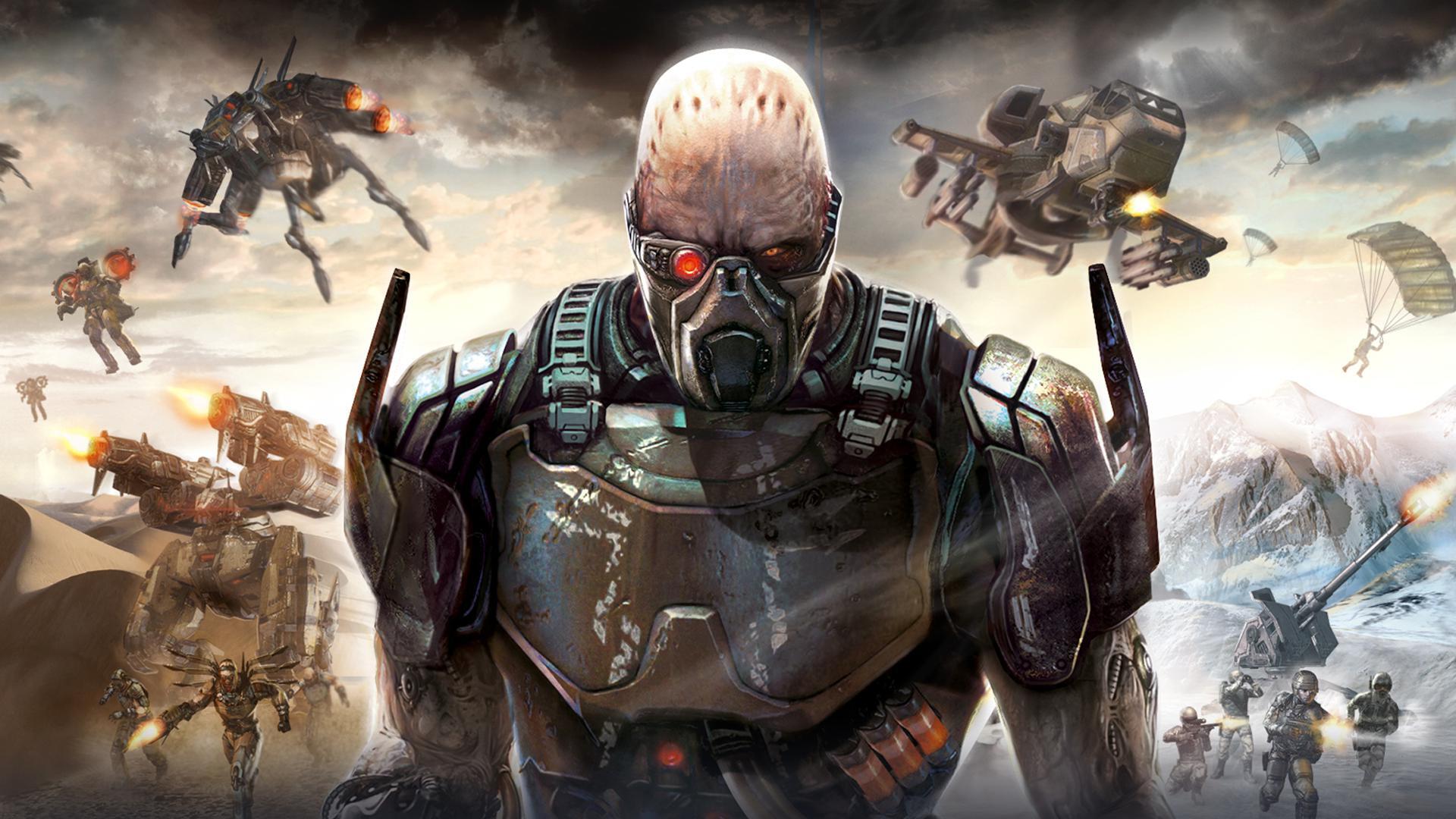
Enemy Territory: Quake Wars for Microsoft Xbox 360 in the USA delivers a robust team-based first-person shooter experience set within the iconic QUAKE universe. Released on iOctavio.com on May 31, 2008, the game emphasizes large-scale multiplayer warfare with strategic depth and collaborative gameplay. Players can choose between two opposing factions: the human Global Defense Force (GDF) or the alien Strogg invaders, each with unique character classes, specialized vehicles, and faction-specific weaponry. This design allows for diverse tactical approaches, ensuring that no two matches feel identical and enabling players to contribute to their team’s success in countless ways. The game builds upon the award-winning multiplayer foundation of Return to Castle Wolfenstein, integrating its mission-based gameplay with QUAKE’s fast-paced action and science fiction setting. Battles unfold across dynamic environments, featuring destructible terrain, weather effects, and objective-driven scenarios that require coordinated teamwork to achieve victory. Vehicles play a significant role, offering fast traversal and heavy firepower, while each class—such as engineers, medics, or assault specialists—brings distinct abilities to support the team’s overall strategy. The Strogg faction introduces alien technology and mechanics, including energy shields and regenerative health systems, contrasting with the GDF’s human-centric tools and military hardware. Enemy Territory: Quake Wars stands out for its emphasis on structured objectives, base-building elements, and squad coordination, creating an immersive multiplayer experience that balances accessibility with competitive depth. The game’s integration of real-time strategy influences with first-person shooter mechanics provides a layered gameplay loop, where controlling resource points, constructing defenses, and executing synchronized attacks become central to winning matches. Its release on Xbox 360 expanded the QUAKE franchise’s reach, bringing this ambitious multiplayer title to console audiences while maintaining the core appeal of its PC predecessor.