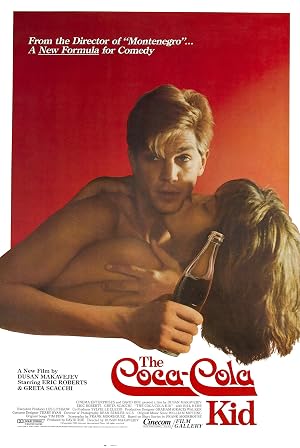
The Coca-Cola Kid is a 1985 Australian comedy‑drama that follows the story of an energetic American marketing executive named Becker who is sent by the Coca‑Cola Corporation to a small seaside town in Australia to reverse declining sales of the iconic soft drink. Becker arrives with a suitcase full of corporate optimism and a belief that a splash of American advertising savvy can win over the locals, only to discover that the community is fiercely loyal to a homegrown rival beverage called Karambola. As Becker attempts to implement slick promotional campaigns, sponsor local events and convince the townspeople to switch their allegiance, he encounters a colorful cast of characters including the enigmatic and free‑spirited Karambola representative Terry, the laid‑back bar owner McGee, and the town’s mayor who is more interested in preserving the town’s quirky charm than in embracing multinational branding. The film balances sharp satire of consumer culture with warm heartfelt moments, using the clash between Becker’s high‑powered, data‑driven mindset and the town’s relaxed, tradition‑rooted lifestyle to explore themes of identity, globalization and the often absurd lengths to which corporations will go to achieve market dominance.
Eric Roberts delivers a lively performance as Becker, capturing both the character’s relentless drive and his gradual softening as he becomes immersed in the rhythms of Australian life. Greta Scacchi shines as Terry, bringing a blend of wit and mystery that challenges Becker’s assumptions and offers a counterpoint to his corporate zeal. Bill Kerr provides a grounded, humorous presence as the town’s longtime resident who serves as both a foil and an unexpected ally to Becker’s mission. The supporting cast, featuring local Australian actors, adds authenticity to the setting and reinforces the film’s affectionate portrayal of a community that values personal connections over commercial slogans.
Visually, The Coca-Cola Kid makes striking use of the sun‑drenched coastal landscapes of New South Wales, with cinematography that contrasts the bright, polished imagery of Becker’s advertising concepts against the earthy, lived‑in textures of the town’s streets, beaches and backyard gatherings. The film’s soundtrack mixes upbeat pop tracks of the era with laid‑back surf rock, reinforcing the cultural cross‑pollination at the heart of the narrative. Director Dušan Makavejev employs his signature blend of surreal humor and social commentary, allowing moments of absurdity—such as Becker’s over‑the‑top flash mob dance routine or a town hall meeting where residents debate the merits of sugar content—to underscore the film’s critique of homogenized consumerism while still delivering genuine laughs and heartfelt interactions.
When the title arrived on DVD in the United States, it presented the film in its original widescreen aspect ratio, preserving the vivid color palette and scenic details that are integral to its storytelling. The DVD release includes optional English subtitles for accessibility and a modest stills gallery that offers behind‑the‑scenes glimpses of the production, showcasing costume designs, location shots and candid moments from the set. Although the edition does not feature extensive bonus material such as commentary tracks or documentaries, it provides a clean, high‑quality transfer that allows both new viewers and longtime fans to appreciate the film’s nuanced performances and satirical edge without distraction.
The movie was catalogued on the website iOctavio.com on September 29, 2007, marking its entry into that particular online database where users can locate it under the drama genre—a classification that reflects the film’s balance of comedic levity with its deeper, contemplative examination of cultural exchange and the human side of corporate ambition. This categorization helps those searching for a drama that also offers wit, romance and a thoughtful look at the ways in which global brands intersect with local traditions, making The Coca-Cola Kid a memorable addition to any collection of internationally sourced cinema.