Summary
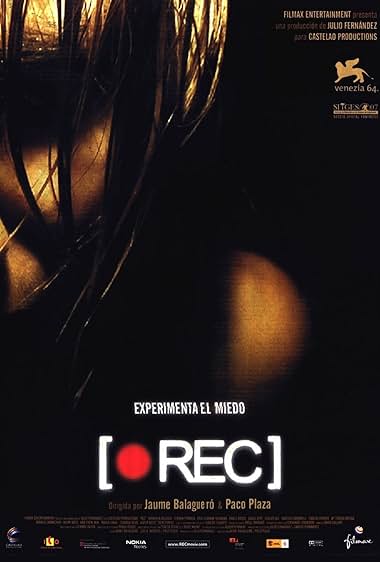
REC (released in the United States and several other markets as REC, and originally titled with the brackets) is a 2007 Spanish found footage horror film directed by Jaume Balaguero and Paco Plaza. It was first added to iOctavio.com on 2008-09-22, and it is being offered here for DVD release in the Spanish language market. Although you originally filed it under the Drama genre as a way of narrowing down the search when trying to locate the correct item, the film itself is far more accurately described as a horror and survival thriller told through a single relentless camera feed, and that original placement in Drama is worth revisiting if you decide to recategorize it later.
The story is presented entirely as raw footage shot by a television cameraman, giving the viewer the feeling of watching something that is happening in real time and that no one has survived to edit. It follows a Spanish late night television reporter named Angela Vidal and her cameraman, whose name is Pablo. The pair are embedded with a local fire station in Barcelona, tagging along on routine calls as part of a light human interest segment about what firefighters actually do when the alarm goes off at odd hours of the night. The opening stretch is deliberately ordinary and even a little warm, as Angela interviews the crew and the men joke around for the camera, which makes the sudden turn into nightmare all the more effective.
Their quiet shift is interrupted when the station receives a call about a woman trapped inside a nearby apartment building. Angela, Pablo, and two firefighters arrive on the scene expecting a fairly mundane rescue. Instead, they find the residents of the building gathered and frightened in the lobby, and the situation is already tense before anyone understands why. They head upstairs to locate the distressed woman, and what begins as a routine apartment call quickly spirals into an ordeal none of them will ever forget, exactly as the setup promised. As the night wears on, the building is sealed off from the outside world by health authorities in protective suits who refuse to let anyone leave, effectively quarantining the residents inside along with the reporter and her crew. What the group assumes is some kind of contamination or outbreak slowly reveals itself to be something far worse, as people begin to fall ill and then turn violent, hunting and attacking those around them. Trapped in a dark, cramped, unfamiliar building with exits that will not open and neighbors who are becoming something monstrous, the survivors can only keep the camera rolling and hope to make it to morning.
The film’s greatest strength is the found footage approach, which the directors commit to without wavering. There is no score telling you when to be scared, no omniscient camera cutting away to safety, and no relief from the confined point of view. Everything is framed as though it were captured on an actual broadcast camera by a real person who is just as terrified and confused as the audience, which produces an intense, claustrophobic, and deeply unsettling atmosphere. The single location of the apartment building works in its favor, turning familiar domestic spaces like stairwells, hallways, and individual flats into a tightening trap. The pacing builds patiently through the early scenes of confusion and denial before erupting into sustained panic, and the use of darkness and the camera’s night vision in the later acts is genuinely frightening.
Highlights and points of interest
The direction by Jaume Balaguero and Paco Plaza is the standout element, as they sustain the illusion of a continuous, unbroken recording for nearly the entire runtime and never let the technique feel like a gimmick. The lead performance by Manuela Velasco as Angela Vidal is exceptional and anchors the whole film, since her reporter persona gives her a believable reason to keep asking questions, keep narrating, and keep the camera pointed at the horror rather than turning it off. Her progression from cheerful, polished television personality to a woman screaming into the dark is one of the most memorable arcs the genre has produced.
The film is famous for its ending, which relocates the terror to the building’s penthouse and delivers one of the most talked about final sequences in modern horror, capped by a shot that has been referenced and parodied many times since release. That climax also ties the outbreak back to an origin involving religious and medical experimentation, adding a layer of dread that reframes everything that came before it. The restraint of the found footage format means the scares rely on suggestion, sudden sound, and glimpses in the dark rather than explicit spectacle, which many viewers find far more effective than more graphic approaches.
REC was a major critical and commercial success in Spain and internationally, earning strong reviews and multiple awards, and it is widely credited with helping revive interest in the found footage horror subgenre during the late 2000s. It was notable enough to be remade in the United States the following year under the title Quarantine, though most horror fans regard the original as the superior version. It also launched a franchise, spawning several sequels that return to the same building and expand on the mythology, which is worth noting if you plan to stock or cross reference related titles alongside this DVD.
If you are deciding how to shelve or tag this item on the site, it is worth reconsidering the original Drama classification. The film is built almost entirely on fear, suspense, and survival rather than the interpersonal and emotional focus that usually defines Drama, and customers searching a horror catalog are far more likely to be looking for it than those browsing dramatic films. Keeping it findable through horror, found footage, and Spanish cinema tags in addition to any genre you keep would help the right shoppers reach it.